
If you are reading this see it as a sign you should invest in the move from Peat Compost To Homemade Compost! In this blog, I will explore why giving up buying peat compost is important, and provide some alternative methods for composting that are kinder to the environment.
Peat compost has long been a popular choice for gardeners looking to add nutrients and improve soil structure. However, the environmental impact of peat extraction has become increasingly apparent in recent years, leading many gardeners to seek out alternative methods for composting. It wasn’t until July 2021 that I shifted to homemade composting and later that year been gifted a wormery!
But first let me explain why we should give up buying peat compost!
Why give up buying peat compost?
Peat is a non-renewable resource that is harvested from fragile ecosystems, such as bogs and wetlands. Peat extraction involves draining these areas, which releases large amounts of carbon dioxide into the atmosphere and destroys the natural habitat of many species of plants and animals. In addition, peatlands are important carbon sinks, meaning they absorb carbon dioxide from the atmosphere and store it in the soil. When peat is extracted, this carbon is released into the atmosphere, contributing to climate change.
Fortunately, there are alternative methods for composting that are more sustainable and eco-friendly. Here are a few options to consider:
Homemade compost
One of the simplest and most effective alternatives to peat compost is to make your own compost at home. This involves collecting organic waste from your kitchen and garden and allowing it to break down over time. Composting can be done in a small bin or a larger outdoor pile, depending on the amount of waste you generate. The resulting compost is rich in nutrients and can be used to improve soil structure and fertility in your garden.
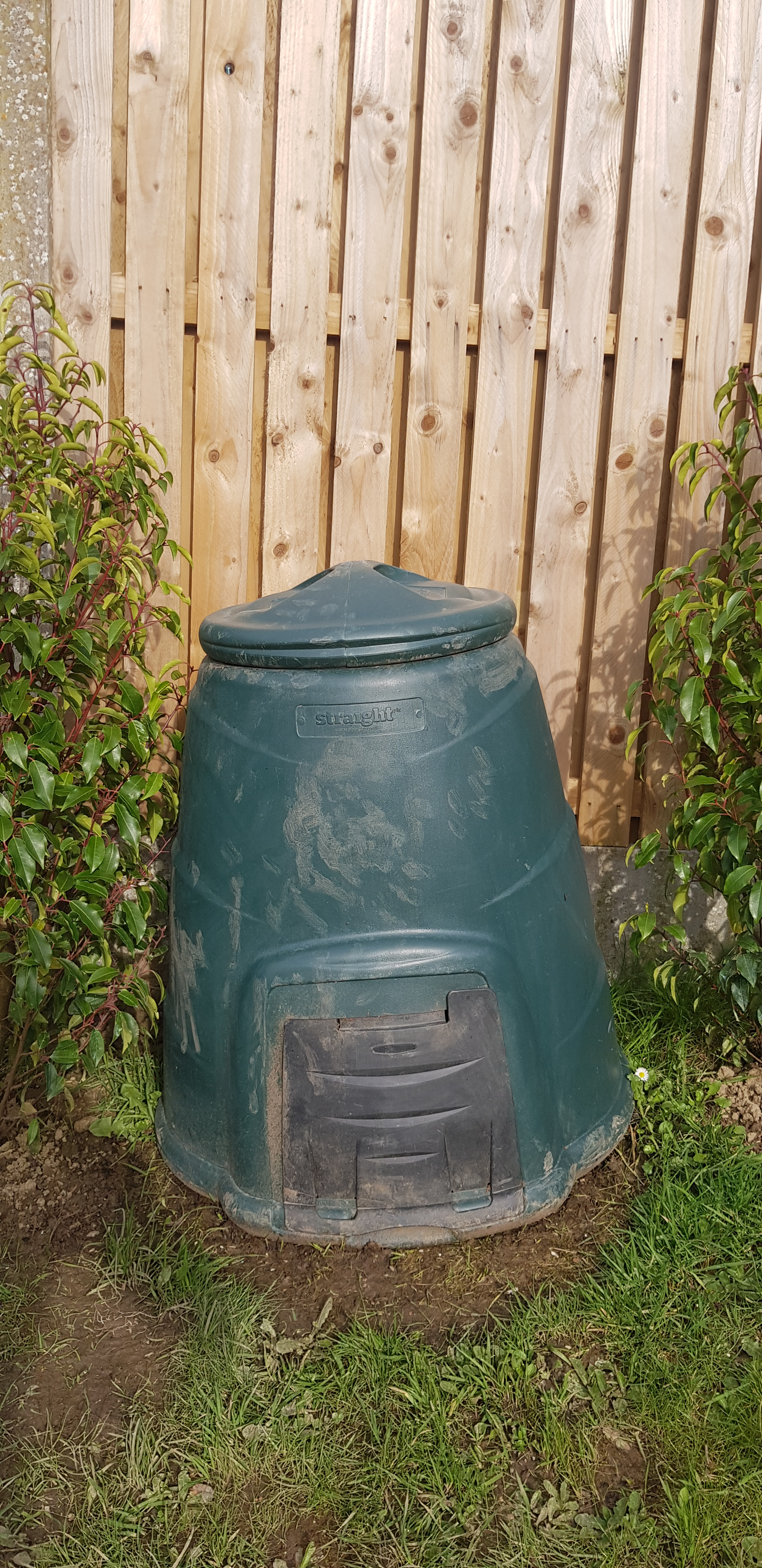
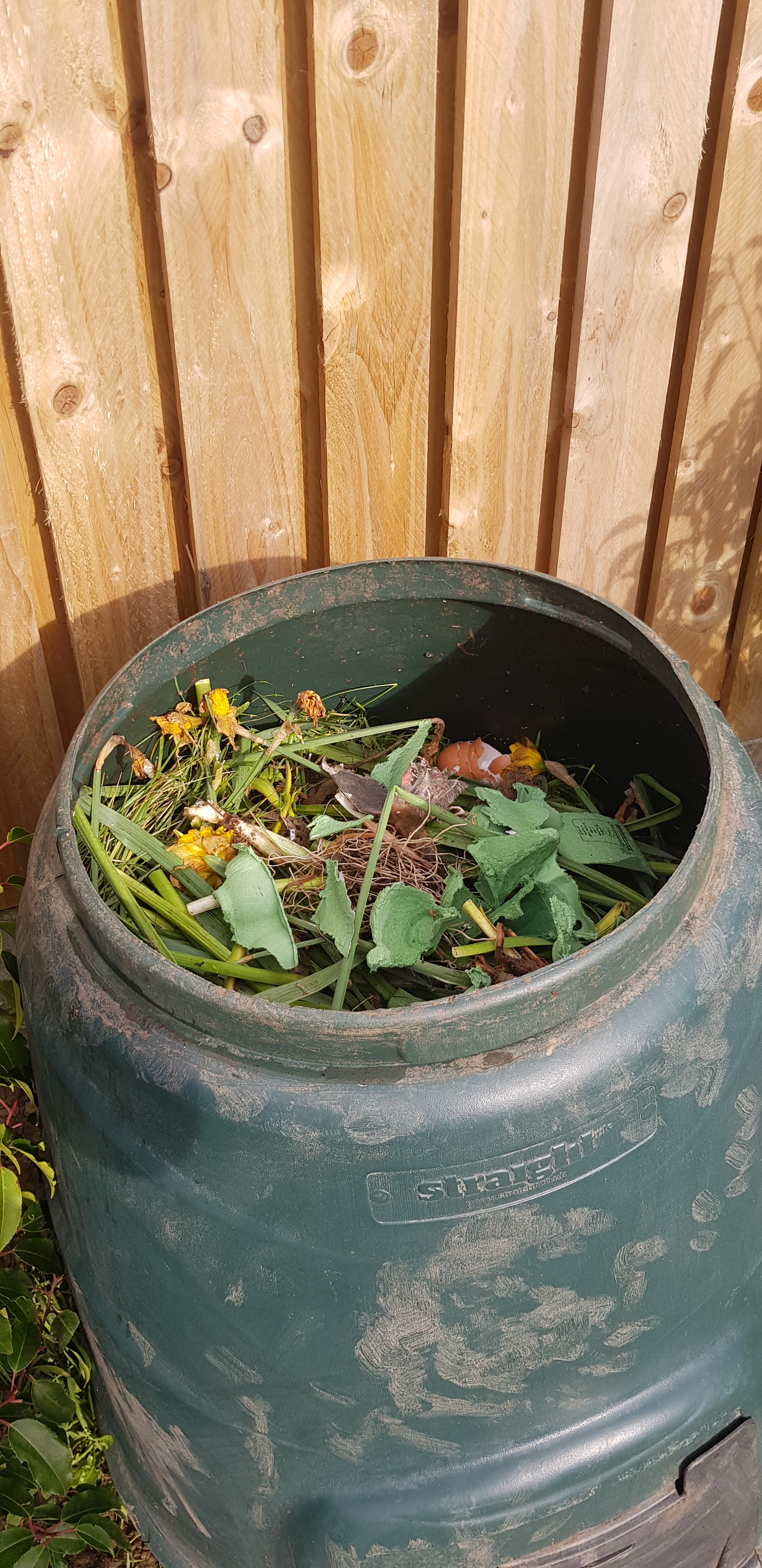
Purchased my compost bin in Blacks Garden Centre
Leaf mold
Another natural alternative to peat compost is leaf mold. This is simply decomposed leaves that have been left to break down over time. You can create leaf mold by gathering fallen leaves in the autunm and piling them up in a shaded area. Over time, the leaves will decompose and create a rich, crumbly material that can be used as a soil amendment in your garden.
Worm Bin or ‘wormery’ usually consists of at least two compartments. Using a wormery for compost is an easy and environmentally-friendly way of turning much of your kitchen waste into nutrient-rich compost to feed your garden and houseplants.
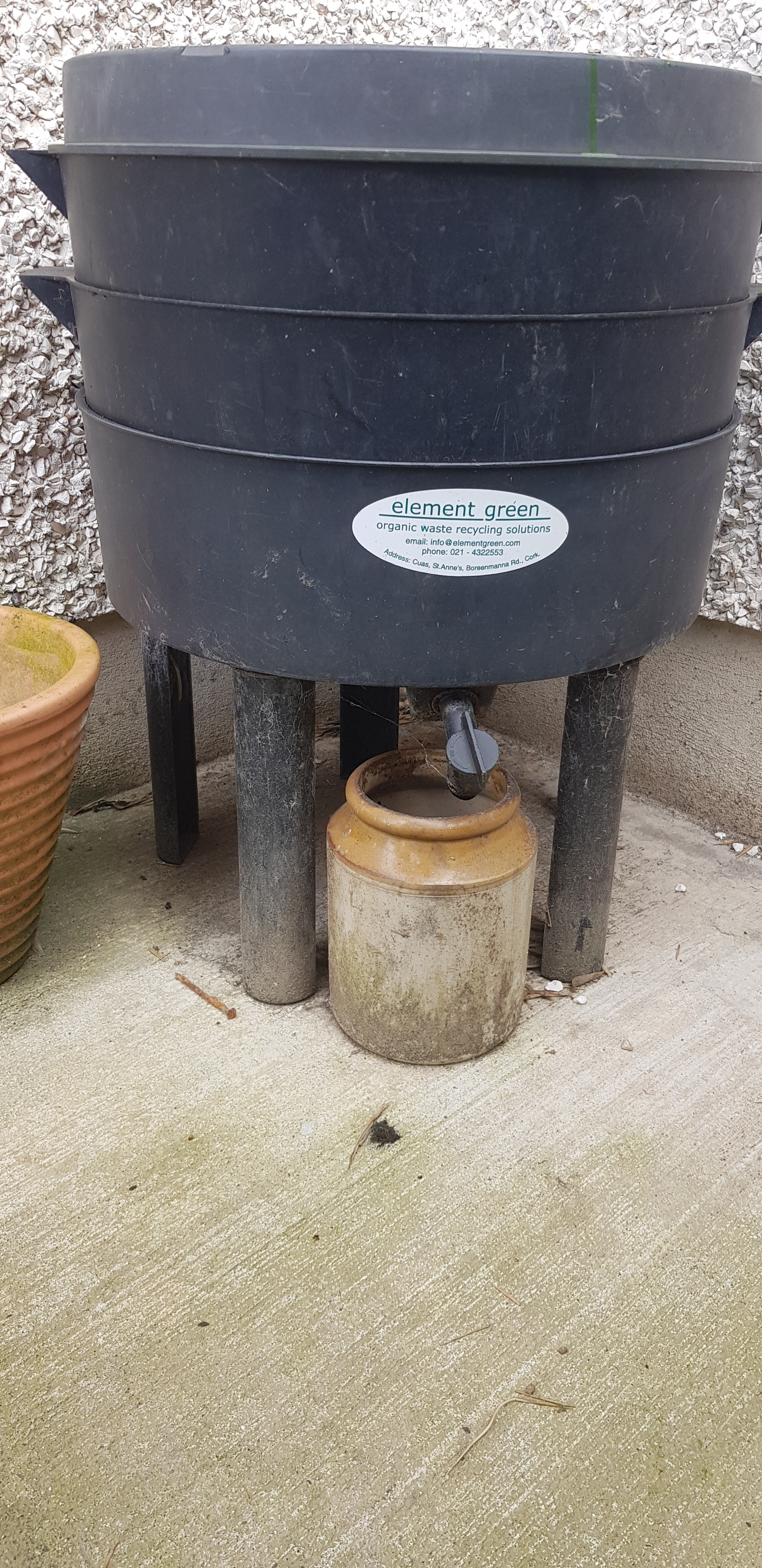
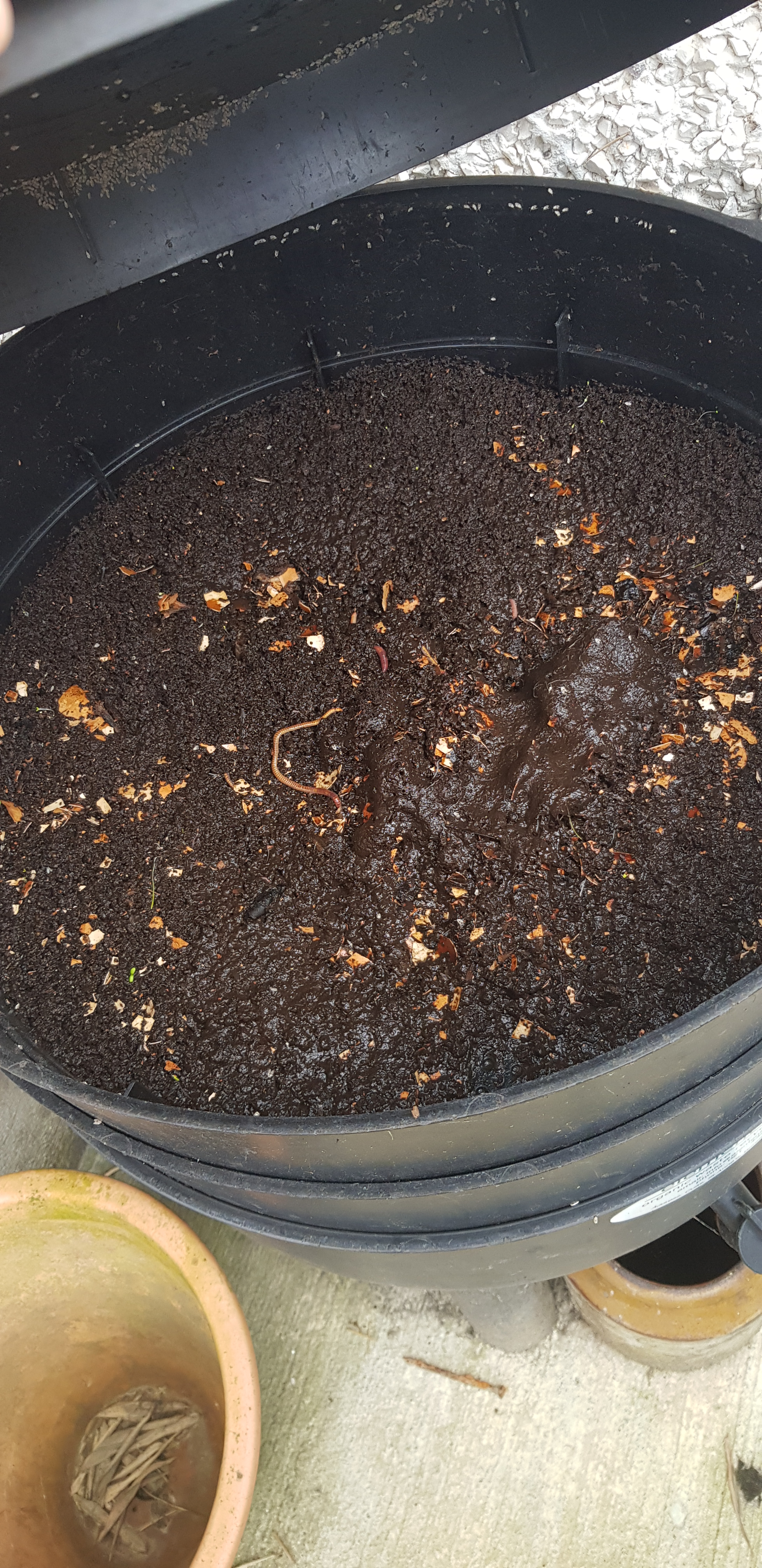
I absolutely love my wormery that creates a small amount of nutrient-rich compost which I use for both indoor and outdoor plants! It’s still early days with the wormery.
In conclusion, giving up buying peat compost for the garden is an important step towards protecting our environment. By opting for alternative composting methods, such as homemade compost, leaf mold, we can improve soil fertility and structure while reducing our impact on the planet. So, let’s get composting!
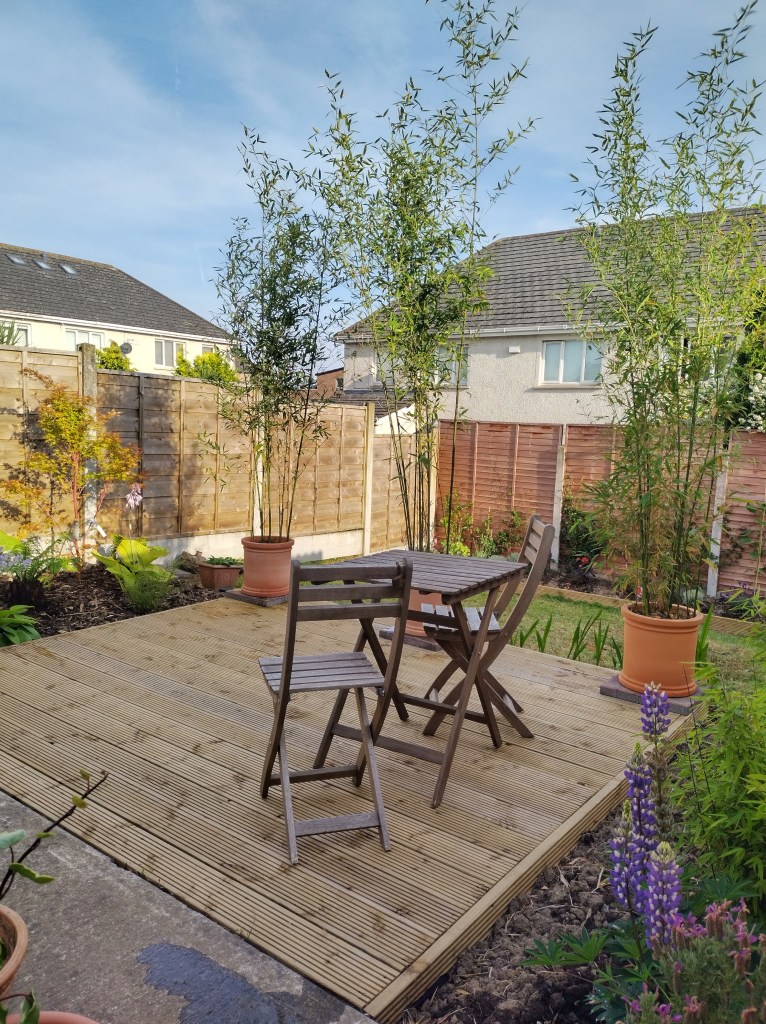
A little peak of my garden last summer… which I made one small bin bag of compost!
You can check out your local garden stores or Google homemade composting ideas!